

It is 3 pm. You have been looking at the spreadsheet for twenty minutes. Your head feels a little tight. The coffee does not help. Does this sound familiar?
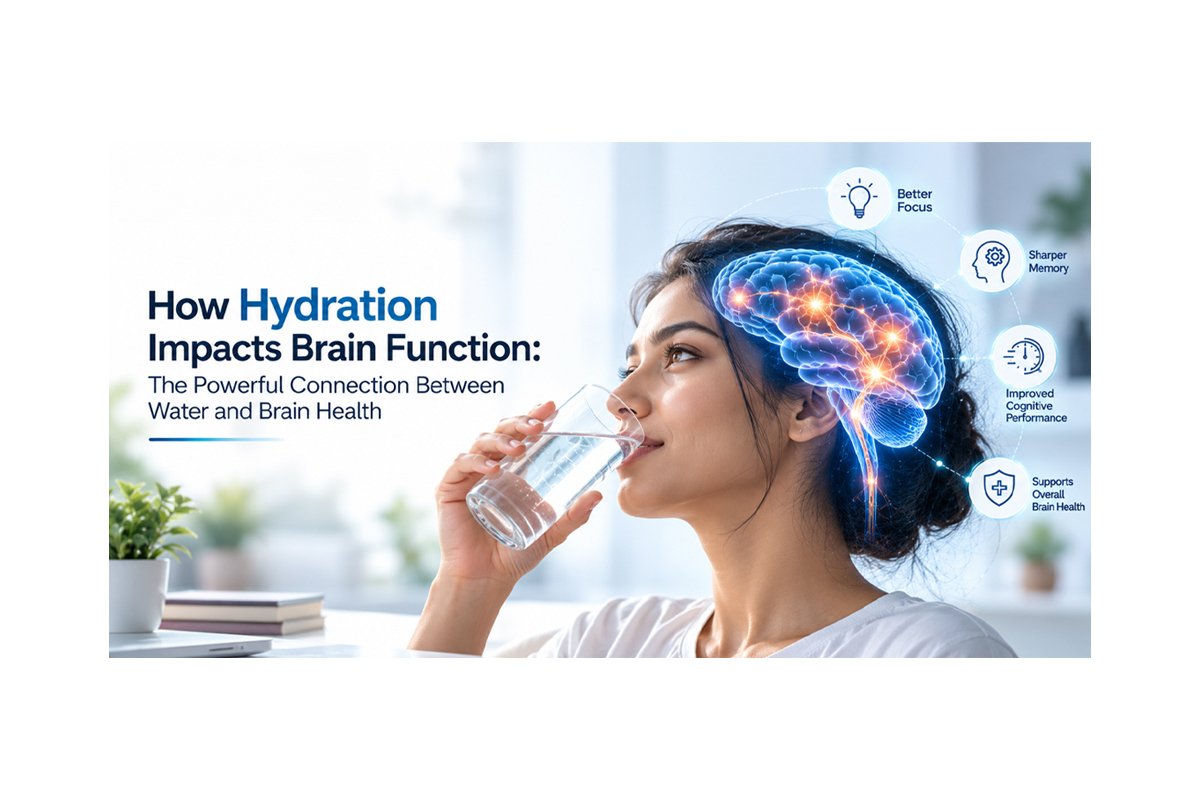
Before you blame your workload ask yourself a question: when did you last drink water? Many people answer “this morning.” Researchers have tested how hydration affects brain function for years and the results are surprisingly simple. Below I will explain what the research says, what changes you can make today and which symptoms mean you should see a brain doctor in Ghaziabad or in your city instead of just refilling the bottle.
This article is for education only. It is not a diagnosis or a replacement for a doctor’s advice.
What Water Does Inside Your Head
The human brain consists mainly of water.
This figure ranges between 73 percent and 75 percent. The function of water in this case is to aid in the movement of nutrients to different parts of the body while at the same time disposing of waste products in the body.
Nerve signals need a steady mineral balance
Brain cells transmit messages by sending electrical signals; this process needs sodium, potassium, and calcium ions to be present in body fluids. If you lose too much water due to sweating without replenishing it, the balance is disrupted. Messages still get through. Less cleanly.
Oxygen has to arrive
Two percent of the body’s weight is made up by the brain, but twenty percent of oxygen is consumed. The right amount of fluids will ensure that there is enough blood volume.
What Mild Dehydration Does to Thinking
You do not have to be dehydrated for your brain to complain. Studies led by Lawrence Armstrong’s group found that losing one to two percent of body weight in fluid left volunteers more tired, less able to concentrate and more prone to headaches. Some made errors on attention tasks too.
That sounds small. It does. Exercising in a hot environment, spending time in the gym, or going for an endless meeting without any break is a situation where the fluid is easily lost.
Mood also takes a hit. Matthew Ganio et al.’s study found that dehydration in young and healthy individuals is associated with low mood and an increase in perceived difficulty in task performance. However, this does not imply that water treats anxiety or depression. Water simply means a dry body can make a tough day feel tougher.
One detail I find fascinating: brain scans have shown a slight temporary shrinkage in brain volume after heavy fluid loss, which reverses once people rehydrate. The brain physically responds to what you drink.
Headaches and Why Water Isn’t Always the Fix
Dehydration can trigger headaches in some people and drinking more helps some of them.. Headaches also come from migraine, eye strain, poor sleep, sinus trouble, stress and plenty else. Try water first if you have been drinking little. If the headache keeps coming, do not keep guessing.
Who Gets Dehydrated Without Noticing
Some people are simply more at risk.
Older adults. Thirst weakens with age and kidneys hold on to water well. Sudden confusion in a person needs a doctor’s check, not just a glass of water.
Children. Busy playing they forget.
Outdoor workers. Delivery riders, drivers and construction crews sweat out a lot in the heat.
Anyone with fever, vomiting or loose motions. Fluid goes quickly.
Desk workers. Think of someone glued to an order management system or a reliable logistics tracking dashboard handling one thing after another. Four hours can pass without a sip.
Signs Your Body Is Asking for Water
Dark urine is the easiest clue. Pale straw colour is what you want. Others include a mouth, a dull headache feeling light-headed, mental fog and fewer bathroom visits than usual.
Thirst is a guide for healthy adults. Thirst lags behind though during exercise in weather and in older age.
How Much Water Is Sufficient?
There cannot be a standard for water consumption. It is determined based on aspects such as body size, weather, level of exercise and existing health problems. The average amounts recommended by the US National Academies are 3.7 litres for men and 2.7 litres for women. That total includes water from food and other drinks.
Many Indian adults manage well on around two to three litres of fluids a day more, in peak summer. Curd, soups, cucumber, watermelon and oranges all add to the count. Tea and coffee do too in moderation.
Small Habits That Last
Big resolutions fade. These habits tend to stick:
- Have a drink of water upon waking up.
- Have a bottle on your desk so that it is in front of you.
- Do the drinking activity with something that you regularly do, such as ending a meeting or meal.
- Drink whenever it is hot or you have sweated. When there is an episode of diarrhea, using an oral rehydration solution is recommended.
Is It Possible to Drink Much?
Yes, though it is uncommon. Gulping amounts quickly can dilute sodium in the blood, a condition called hyponatremia. Symptoms include headache, nausea and confusion and in severe cases seizures. It has happened during endurance events and water‑drinking challenges.
If you have kidney disease, heart failure or a hormonal condition your doctor may have given you a limit. Stick to it.
When to Seek Medical Advice for Neurological Symptoms
Water helps the brain work properly. Water does not explain everything. Please do not brush off a symptom as “just dehydration.”
Get advice soon if you or someone at home has:
- A sudden severe headache unlike any before
- Headaches that worsen over weeks
- Seizures or fainting
- Weakness, numbness or tingling on one side of the body
- Slurred speech a drooping face or sudden vision changes
- Persistent confusion, difficulty remembering things or changes in personality
- Headache after hitting your head
Weakness, difficulty talking or a sudden thunderclap headache is an emergency. Go to the hospital right away.
A family physician will refer you to a neurologist in case of issues related to them. In case there is an indication through scans for an opinion, which includes a tumour, a back issue or a severe brain injury, a neurosurgeon in Ghaziabad will examine and advise you on your next course of action.
If you are seeking a brain specialist in Ghaziabad then you should make sure that the specialist you are going to visit is registered with the National Medical Commission or State Medical Council and check their registration.
Before a procedure a second opinion is perfectly reasonable.
Three Myths Worth Dropping
“If I am not thirsty I am fine.” Mild dehydration can show up before thirst does.
“More water makes me smarter.” Water does not. Hydration just lets your brain work at its level.
“Energy drinks hydrate better.” Many carry a lot of sugar and caffeine. Plain water is the daily choice.
The Final Word
This is all about how water influences brain functions. You will be dependent on water for your concentration, memory, mood, and energy. Even a deficiency in water can blunt your performance. Drink water throughout the day, or take water-rich foods. Think of dark urine and headaches as hints.
But in case your issue worsens and includes weakness, seizures, speech difficulties, and confusion, then you must visit a physician. You might require visiting a highly qualified brain expert in Ghaziabad or an authorized neurosurgeon in Ghaziabad.