


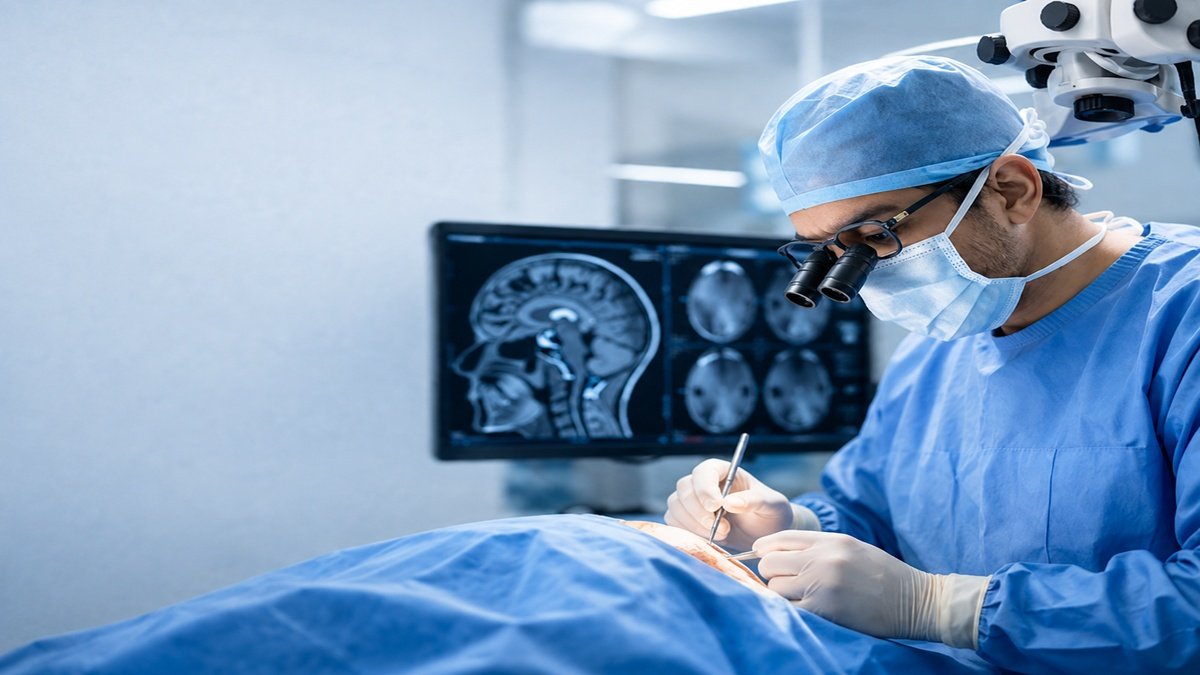
A neuro oncology doctor near me is a common search for people looking for specialized care after a brain tumor diagnosis, concerning neurological symptoms, or an abnormal brain scan. Finding the right specialist can be an important step because brain tumors often require detailed diagnosis and care from multiple medical experts.
Neuro-oncology focuses on tumors affecting the brain, spinal cord, and other parts of the nervous system. A neuro-oncologist helps evaluate the diagnosis, understand the characteristics of a tumor, discuss treatment options, and coordinate care with specialists such as neurosurgeons and radiation oncologists.
What Is Neuro-Oncology?
Neuro-oncology is a specialized area of medicine focused on tumors of the central nervous system. These may include primary brain tumors, spinal cord tumors, metastatic tumors that have spread to the brain, and other nervous system cancers.
Brain tumors can behave very differently depending on their type, location, grade, and molecularcharacteristics. Some may grow slowly, while others can be more aggressive. This is why treatment needs to be personalized rather than based on a one-size-fits-all approach.
A neuro-oncology team may work closely with neurologists, neurosurgeons, radiation oncologists, neuroradiologists, neuropathologists, rehabilitation professionals, and other specialists.
How to Find a Neuro Oncology Doctor Near Me
When searching for a neuro oncology doctor near me, location is only one factor to consider. The doctor’s experience with your particular condition can be equally important.
Patients can begin by looking at established hospitals, cancer centers, and neurological specialty centers in their region. A primary care physician, neurologist, or other treating doctor may also provide a referral to an appropriate specialist.
Before scheduling an appointment, consider checking:
- The doctor’s medical qualifications and specialty training
- Experience treating brain and spinal tumors
- Hospital or cancer-center affiliations
- Availability of multidisciplinary care
- Diagnostic and imaging services
- Access to appropriate clinical trials
- Communication and follow-up practices
It is reasonable to ask the medical center whether the specialist regularly treats patients with the type of tumor you have been diagnosed with.
When Should You See a Neuro-Oncology Specialist?
A specialist may be involved when imaging or other medical evaluations identify a possible brain or spinal tumor. Patients who already have a confirmed tumor may also be referred for treatment planning or a second opinion.
Some symptoms can have many possible causes and do not automatically mean someone has a brain tumor. However, persistent or unexplained neurological symptoms should be discussed with a qualified healthcare professional.
Possible symptoms can include persistent headaches, seizures, changes in vision, weakness, difficulty speaking, balance problems, changes in memory, or other changes in neurological function. The appropriate evaluation depends on the person’s symptoms and medical history.
What Happens During a Neuro-Oncology Appointment?
The first consultation generally begins with a detailed review of the patient’s medical history and current symptoms. The specialist may review previous MRI or CT scans, pathology reports, laboratory results, and other medical records.
A neurological examination may also be performed to assess functions such as movement, coordination, reflexes, vision, speech, and sensation.
Pathology results are useful if a tumor has been taken for biopsy or removed by surgery as they give important information about the characteristics of the tumor. In other instances, molecular testing of tumor tissue can be used to classify the tumor and inform treatment options.
Patients should not be afraid to request the doctor to explain medical jargon in layman’s terms. It is important to get an understanding of the diagnosis to be able to engage in treatment decisions.
Brain Tumor Treatment Options
The treatment for brain tumors will vary from person to person and will depend on the type of tumor, location, size, grade, molecular characteristics, symptoms, prior treatment and patient’s general health.
Treatment may be necessary and include one or more of the following:
Surgery
If it is appropriate and can be safely performed, the tumor may be removed or sampled in a procedure called neurosurgery. The objective varies from person to person and can be diagnosed, to relieve pressure, or to get as much tumor out as safely possible.
Radiation Therapy
Radiation therapy is a treatment that involves high-energy radiation to treat tumor cells. It might be suggested for some types of brain tumour following surgery, or as part of cancer treatment for brain tumours that cannot be completely removed by surgery.
Medication/Systemic Therapy
Chemotherapy, targeted drugs and other systemic therapy may be used for some brain tumours. The decision is based on the characteristics of the tumour.
Supportive Care
Symptoms and treatment effects can be managed with supportive treatment. Treatment can focus on seizures, swelling of the brain, pain, tiredness, recovery, diet or emotional and functional issues, depending on the patient’s requirements.
Each patient doesn’t require each type of treatment. The rationale for a specific approach should be explained by a specialist.
Why Multidisciplinary Brain Tumor Care Matters
Treatment of brain tumors may involve a number of medical specialties.A multidisciplinary team can consist of a group of specialists from various fields of expertise who can all evaluate the patient’s condition and help plan care.
For instance, a neurosurgeon might be involved in surgery, a radiation oncologist might be involved in radiation therapy, and a neuro-oncologist might be involved in medical management and follow-up care.
This collaborative approach can be particularly helpful when a diagnosis is complex or multiple treatment options are being considered.
Preparing for Your First Visit
Patients will benefit from their first appointment with a neuro-oncology specialist by bringing their medical information. This could contain imaging reports, if available, MRI/CT scans, pathologists’ reports, lists of medicines, previous treatment details and lists of symptoms.
Record date of onset and if there is any change over time. Let your health care providers know about any past brain or nervous system problems, surgeries, or treatments.
If you need a second opinion, request that the hospital/clinic give you a list of medical records and imaging files that they need prior to the appointment.
What Makes a Good Neuro-Oncology Specialist?
The right specialist is not necessarily the closest doctor. Think about relevant skills and experience and working with your diagnosis, having access to appropriate diagnostic and treatment services, and clear communication.
The doctor should be prepared to explain the diagnosis, discuss the options, answer questions and assist the patient in understanding their next steps.
Patients should also check the credentials of the practitioners involved and choose to receive care from practitioners who are qualified to provide such care. Use of online information for research is useful but is not a substitute for an individual medical consultation.
Final Thoughts
Finding a neuro oncology doctor near me can be the start of an important health care choice. If you are exploring the possibility of a brain tumor, have recently been diagnosed with one, or are seeking a second opinion, it is best to choose a specialist with experience to help you find out more about your condition and your treatment choices.
Treatment for brain tumours is very personal. Depending on the nature of the tumour and patient’s health and needs, the best way to do this will vary. A well-established neuro-oncology team can offer a consistent and coordinated evaluation treatment planning and support.